Explore the legality of VPNs in different countries. Understand global regulations and ensure your VPN usage complies with local laws.
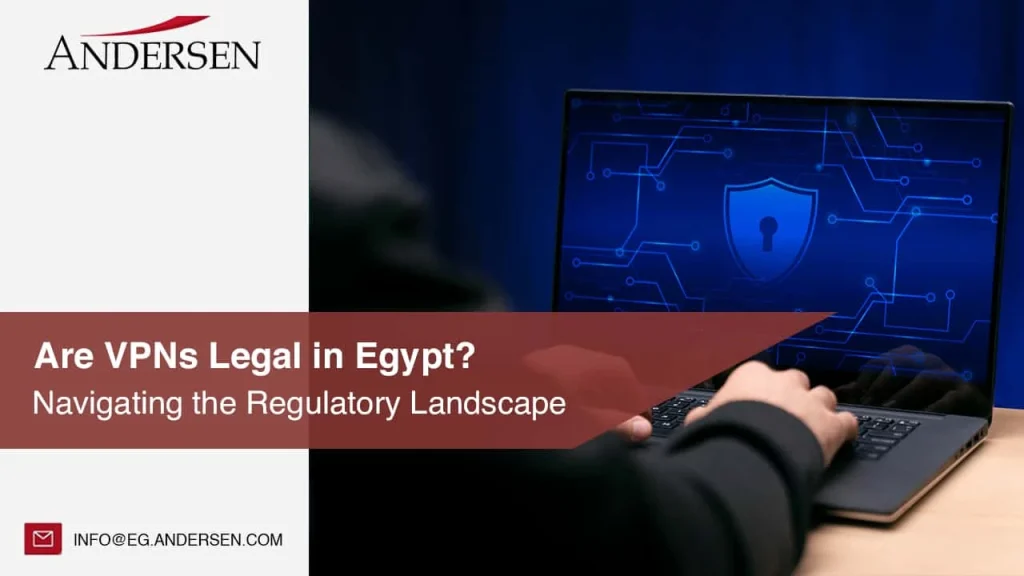
Explore the legality of VPNs in different countries. Understand global regulations and ensure your VPN usage complies with local laws.
Are VPNs Legal Everywhere A Global Overview of Regulations
Understanding VPN Legality Global Perspectives
So, you’re thinking about using a VPN, or maybe you already are. That’s great for your digital privacy and security! But have you ever stopped to wonder if VPNs are actually legal everywhere you go? It’s a super important question, especially if you travel a lot or deal with sensitive information. The truth is, the legality of VPNs isn’t a simple yes or no answer. It’s a complex patchwork of laws and regulations that vary wildly from country to country. What’s perfectly fine in one place might land you in hot water in another. Let’s dive into this global overview and make sure you’re always on the right side of the law when it comes to your VPN usage.
VPN Legality in North America United States and Canada
Good news for our friends in North America! In both the United States and Canada, using a VPN is generally completely legal. There are no federal laws in either country that prohibit individuals from using a VPN for personal or business use. This means you can encrypt your internet traffic, protect your online privacy, and access geo-restricted content without fear of legal repercussions. However, and this is a crucial point, while using a VPN is legal, using a VPN to commit illegal activities is absolutely not. For example, if you use a VPN to download copyrighted material illegally, engage in cybercrime, or participate in other illicit activities, the VPN won’t shield you from the legal consequences of those actions. The VPN itself isn’t the problem; it’s what you do with it. So, feel free to use your VPN for legitimate purposes like securing your public Wi-Fi connections, bypassing ISP throttling, or accessing your favorite streaming services from abroad.
VPN Regulations Across Europe A Diverse Landscape
Europe presents a more varied picture when it comes to VPN legality. The vast majority of European countries, especially those in the European Union, allow VPN usage without restrictions. Countries like the UK, Germany, France, Spain, and Italy all permit their citizens to use VPNs freely. This aligns with the strong emphasis on data privacy and digital rights that many European nations uphold, particularly with the General Data Protection Regulation (GDPR) in place. However, there are a few exceptions and nuances to be aware of. Some countries, while not outright banning VPNs, might have regulations that could indirectly affect their use or the services offered by VPN providers. For instance, some nations might require telecommunications companies to retain user data, which could potentially impact a VPN provider’s ability to maintain a strict ‘no-logs’ policy if they operate servers within those jurisdictions. Always check the specific laws of the European country you’re in or planning to visit to ensure full compliance.
VPN Status in Asia Pacific Region A Mixed Bag
The Asia-Pacific region is perhaps the most complex and restrictive when it comes to VPN legality. Here, you’ll find a wide spectrum, from countries where VPNs are completely legal and widely used, to those where they are heavily restricted or even outright banned. Let’s break down some key examples:
China VPN Restrictions and the Great Firewall
China is probably the most well-known example of a country with severe VPN restrictions. The Chinese government operates the ‘Great Firewall,’ a sophisticated censorship system that blocks access to many foreign websites and online services. While VPNs are not entirely illegal for individuals, only government-approved VPNs are permitted. These approved VPNs are often subject to government oversight and may not offer the same level of privacy or access as independent VPN services. Using an unapproved VPN can lead to fines or other penalties. Many popular VPN providers struggle to maintain consistent service in China due to the government’s ongoing efforts to block them. If you’re traveling to China, it’s crucial to have a VPN installed and configured before you arrive, as downloading one within the country can be challenging.
Russia VPN Regulations and Data Localization
Russia has also tightened its grip on VPNs. While not completely banned, the government has implemented laws that require VPN providers to block access to websites on a government blacklist. VPNs that refuse to comply can be blocked themselves. Additionally, Russia has data localization laws, meaning that internet companies must store Russian citizens’ data on servers located within Russia. This can complicate matters for VPN providers who prioritize user privacy and a strict no-logs policy. Using a VPN to access content deemed illegal by the Russian government can also lead to legal issues.
Other Asian Countries VPN Legality Overview
- India: India has recently introduced new cybersecurity rules that require VPN providers to collect and store user data for extended periods. This has led some major VPN providers to remove their servers from India to protect user privacy. While using a VPN is not illegal, the new regulations make it harder to find a truly private VPN service operating within India.
- Vietnam: VPN usage is generally not illegal in Vietnam, but the government does monitor internet activity and has the ability to block certain websites. Using a VPN to circumvent censorship is common, but users should be aware of potential government surveillance.
- Indonesia: VPNs are not explicitly illegal in Indonesia, but the government has a history of blocking websites and social media platforms. Using a VPN to access blocked content is common, but users should exercise caution.
- Singapore: VPNs are legal and widely used in Singapore. The country has a strong focus on cybersecurity, and VPNs are seen as a tool to enhance online security and privacy.
- Australia and New Zealand: VPNs are completely legal and widely used in both Australia and New Zealand. There are no restrictions on their use for personal or business purposes.
Middle East and Africa VPN Laws and Restrictions
The Middle East and Africa also present a mixed and often restrictive environment for VPN usage. Several countries in these regions have strict internet censorship and surveillance policies, which directly impact VPN legality.
United Arab Emirates UAE VPN Laws
The UAE has some of the strictest VPN laws globally. While using a VPN for legitimate purposes (like accessing banking services) is generally tolerated, using a VPN to commit a crime, or to access blocked services (like VoIP calls that bypass local telecom providers), can result in hefty fines and even imprisonment. The law specifically targets the use of VPNs to mask an IP address for illegal activities. It’s a fine line, and users in the UAE need to be extremely careful and informed about their VPN usage.
Other Middle Eastern Countries VPN Status
- Saudi Arabia: VPNs are not explicitly illegal, but the government actively blocks many VPN services and websites. Using a VPN to access blocked content can lead to penalties.
- Iran: VPNs are largely illegal in Iran, and the government actively blocks and restricts their use. Only government-approved VPNs are permitted, which offer limited privacy.
- Turkey: While VPNs are not illegal, the Turkish government frequently blocks access to VPN services and websites, especially during times of political unrest or social media blackouts.
Africa VPN Legality Overview
In many African countries, VPNs are generally legal, but the situation can be fluid and subject to change. Countries like South Africa, Kenya, and Nigeria typically allow VPN usage. However, some nations with more authoritarian regimes or strict internet censorship might restrict or ban VPNs. It’s always advisable to check the current laws of the specific African country you are interested in.
South America VPN Legality Generally Permitted
Most countries in South America generally permit the use of VPNs. Nations like Brazil, Argentina, Chile, and Colombia do not have specific laws prohibiting individuals from using VPNs. This means you can typically use a VPN for privacy, security, and accessing geo-restricted content without legal issues. As with other regions, the caveat remains: using a VPN to engage in illegal activities is still illegal, and the VPN will not provide immunity from prosecution for those actions.
Why Do Countries Restrict or Ban VPNs
Understanding why some countries restrict or ban VPNs helps shed light on the global landscape. The primary reasons often include:
- Censorship and Control: Governments in authoritarian regimes use VPN bans to control the flow of information, prevent access to dissenting voices, and maintain state-controlled narratives.
- National Security: Some governments argue that unrestricted VPN use can pose national security risks by allowing criminals and terrorists to communicate anonymously.
- Economic Reasons: In some cases, countries might restrict VPNs to protect state-owned telecommunications companies from competition, especially regarding VoIP services.
- Copyright Enforcement: While less common as a primary reason for a ban, some countries might cite VPN use for illegal copyright infringement as a justification for stricter regulations.
Choosing a VPN in a Restrictive Country Key Considerations
If you find yourself in a country with strict VPN regulations, choosing the right VPN is paramount. Here are some key features to look for:
Obfuscation Technology for VPN Stealth
Obfuscation technology, sometimes called ‘stealth VPN,’ is designed to make your VPN traffic look like regular internet traffic. This helps bypass deep packet inspection (DPI) used by governments and ISPs to detect and block VPN connections. Look for VPNs that explicitly offer obfuscated servers or protocols.
Strong Encryption and No Logs Policy for Privacy
Always prioritize VPNs with military-grade encryption (AES-256) and a strict, audited no-logs policy. This ensures that even if your connection is compromised, your data remains secure, and the VPN provider doesn’t store any information that could identify you.
Kill Switch Feature for Data Protection
A kill switch is a vital security feature. If your VPN connection drops unexpectedly, the kill switch automatically disconnects your device from the internet, preventing your real IP address and data from being exposed. This is especially important in restrictive environments.
Server Network and Speed for Reliable Access
A VPN with a wide network of servers, especially in neighboring countries, can offer better performance and more reliable access to content. Look for providers known for their speed and stability.
Recommended VPNs for Navigating Global Regulations
While no VPN can guarantee 100% success in highly restrictive environments, some providers are better equipped to handle challenges. Here are a few top contenders, along with their typical pricing and use cases:
ExpressVPN A Robust Choice for Global Access
ExpressVPN is consistently praised for its strong security features, excellent speeds, and ability to bypass geo-restrictions. It offers a wide network of servers in 94 countries and employs its proprietary Lightway protocol for enhanced performance and security. ExpressVPN also has obfuscation technology built into its automatic protocol selection, making it a good choice for navigating restrictive networks. They have a strict, audited no-logs policy.
- Use Cases: Bypassing censorship in countries like China (though success can vary), securing public Wi-Fi, streaming geo-restricted content, general privacy protection.
- Pricing: Typically starts around $6.67/month for an annual plan, with a 30-day money-back guarantee.
NordVPN Feature Rich and Security Focused
NordVPN is another industry giant known for its extensive feature set, including Double VPN (multi-hop encryption), Onion Over VPN, and obfuscated servers. Its NordLynx protocol (based on WireGuard) offers impressive speeds. NordVPN has a strong commitment to privacy with an audited no-logs policy and operates servers in 60 countries. Their obfuscated servers are specifically designed to work in highly censored regions.
- Use Cases: Enhanced privacy with Double VPN, accessing content in restrictive countries, secure torrenting, general online security.
- Pricing: Often around $3.99/month for a two-year plan, also with a 30-day money-back guarantee.
Surfshark Unlimited Devices and Budget Friendly
Surfshark stands out for allowing unlimited simultaneous connections, making it a great value for families or individuals with many devices. It offers strong encryption, a no-logs policy, and features like Camouflage Mode (obfuscation) and NoBorders Mode, which is designed to work in restrictive network environments. Surfshark has servers in over 100 countries and provides good speeds.
- Use Cases: Securing multiple devices, budget-conscious users, bypassing geo-restrictions, general privacy.
- Pricing: Can be as low as $2.49/month for a two-year plan, with a 30-day money-back guarantee.
Proton VPN Privacy First and Open Source
Proton VPN, from the creators of ProtonMail, is highly regarded for its strong focus on privacy and security. It offers Secure Core servers (multi-hop through privacy-friendly countries), a strict no-logs policy, and is open-source, meaning its code can be publicly audited. While it might not always be the fastest, its commitment to privacy is top-tier. They also offer a free version with limited features.
- Use Cases: Maximum privacy and anonymity, journalists, activists, users in highly sensitive environments.
- Pricing: Free version available; paid plans start around $4.99/month for a two-year plan, with a 30-day money-back guarantee.
Navigating the Legal Landscape of VPNs
The global legal landscape for VPNs is constantly evolving. What’s legal today might face new restrictions tomorrow. Therefore, it’s crucial to stay informed about the laws in your current location and any countries you plan to visit. Always remember that while a VPN can provide significant privacy and security benefits, it does not grant you immunity from the laws of the land. Use VPNs responsibly and for legitimate purposes to ensure you remain safe and compliant wherever you are in the world.
Staying Informed About VPN Laws and Updates
Given the dynamic nature of internet regulations, it’s a good practice to regularly check for updates on VPN laws, especially if you’re traveling or residing in a country with known restrictions. Reputable VPN providers often publish information about their service’s performance in various regions, and cybersecurity news outlets frequently report on changes in internet censorship and VPN legality. Being proactive in your research can save you a lot of trouble and ensure your digital privacy remains intact.
The Future of VPN Legality and Digital Rights
The ongoing debate between digital rights and government control will continue to shape the future of VPN legality. As technology advances and more people become aware of their online privacy, the demand for tools like VPNs will only grow. However, governments will also continue to seek ways to regulate and control internet access. This push and pull will likely lead to further innovations in VPN technology, as well as new legal challenges and frameworks. Ultimately, the goal for many is to strike a balance between national security concerns and the fundamental right to privacy and freedom of information online.