Learn essential tips for selecting a VPN that fits your privacy requirements. Understand key features like encryption, no-logs policy, and server locations.
Learn essential tips for selecting a VPN that fits your privacy requirements. Understand key features like encryption, no-logs policy, and server locations.
How to Choose the Right VPN for Your Digital Privacy Needs
Hey there, digital citizen! In today’s interconnected world, protecting your online privacy and security isn’t just a good idea; it’s absolutely essential. Every click, every search, every online interaction leaves a digital footprint, and without the right tools, that footprint can be tracked, analyzed, and even exploited. That’s where a Virtual Private Network, or VPN, comes into play. Think of a VPN as your personal, encrypted tunnel through the internet, shielding your data from prying eyes and giving you a much-needed layer of anonymity. But with so many VPN services out there, how do you pick the one that’s perfect for your specific digital privacy needs? It can feel a bit overwhelming, right? Don’t sweat it! We’re going to break down everything you need to consider, from core features to specific use cases, and even recommend some top-notch services to help you make an informed decision.
Understanding VPN Basics What is a VPN and Why Do You Need One
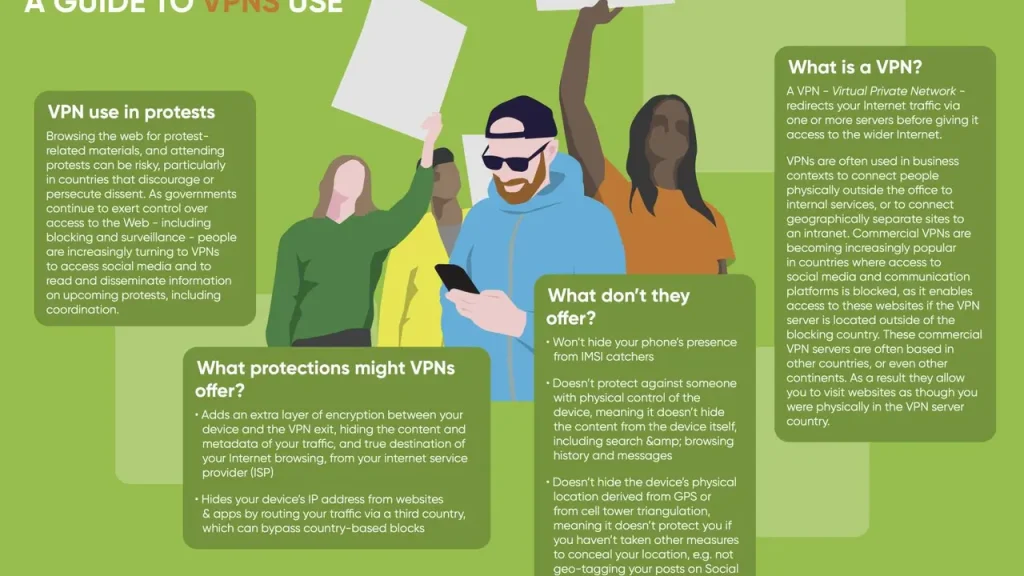
Before we dive into choosing the right VPN, let’s quickly recap what a VPN actually does. At its core, a VPN creates a secure, encrypted connection over a less secure network, like the internet. When you connect to a VPN server, your internet traffic is routed through that server, masking your real IP address and encrypting your data. This means your Internet Service Provider (ISP), government agencies, and even potential hackers can’t see what you’re doing online or where you’re doing it from. Pretty neat, huh?
So, why do you need one? Well, for starters, privacy. In an age where data is the new oil, companies and advertisers are constantly trying to collect information about your online behavior. A VPN helps you reclaim some of that privacy. Beyond that, security is a huge factor. Public Wi-Fi networks, like those at coffee shops or airports, are notorious for being insecure. A VPN encrypts your data, making it much harder for cybercriminals to intercept your sensitive information. And let’s not forget about bypassing geo-restrictions. Want to watch content that’s only available in another country? A VPN can make it seem like you’re browsing from that location, unlocking a world of content. Whether you’re a casual browser, a remote worker, a streamer, or a privacy advocate, a VPN offers significant benefits.
Key Features to Look For in a VPN Service for Enhanced Privacy and Security
Alright, now that we’re on the same page about the ‘why,’ let’s talk about the ‘what.’ When you’re sifting through VPN providers, there are several critical features you absolutely need to prioritize. These aren’t just fancy add-ons; they’re the backbone of a truly effective VPN.
Encryption Standards and Protocols Your Digital Shield
This is arguably the most important aspect. You want a VPN that uses strong, industry-standard encryption. Look for AES-256 encryption, which is virtually uncrackable. It’s the same standard used by governments and militaries worldwide. Beyond encryption, pay attention to the VPN protocols offered. These are the rules that determine how your data travels through the VPN tunnel. Here are the main ones:
- OpenVPN: Widely considered the gold standard for security and reliability. It’s open-source, meaning its code can be publicly audited for vulnerabilities.
- WireGuard: A newer protocol that’s gaining popularity for its speed and efficiency, while still maintaining strong security. It’s often faster than OpenVPN.
- IKEv2/IPsec: A robust and stable protocol, especially good for mobile devices as it handles network changes (like switching from Wi-Fi to cellular data) seamlessly.
- L2TP/IPsec: Less secure than OpenVPN or WireGuard on its own, but when paired with IPsec, it offers decent security. However, it can be slower.
- PPTP: Avoid this one! It’s outdated and has known security vulnerabilities.
Ideally, your chosen VPN should offer OpenVPN and/or WireGuard. Having a choice of protocols allows you to balance speed and security based on your current needs.
No Logs Policy and Audits Proving Your Privacy Commitment
A VPN’s promise of privacy is only as good as its logging policy. A ‘no-logs’ or ‘zero-logs’ policy means the VPN provider does not collect or store any information about your online activities, such as your browsing history, IP address, connection timestamps, or bandwidth usage. This is crucial because if a VPN doesn’t have your data, it can’t hand it over to anyone, even if legally compelled.
However, simply claiming a no-logs policy isn’t enough. Look for VPNs that have undergone independent audits by reputable third-party firms to verify their no-logs claims. This provides an extra layer of assurance that their privacy policy isn’t just marketing fluff.
Server Network and Locations Global Reach for Unrestricted Access
The size and distribution of a VPN’s server network are important for several reasons. A larger network means more options for connecting, which can lead to better speeds and less congestion. More importantly, a wide range of server locations allows you to bypass geo-restrictions more effectively. If you want to access content from the UK, you’ll need a VPN with servers in the UK. If you’re targeting the US and Southeast Asian markets, ensure the VPN has a strong presence in those regions. More servers also mean better chances of finding a less crowded server, which translates to faster connection speeds.
Speed and Performance No One Likes a Slow Internet
While a VPN adds a layer of encryption and routing, it can sometimes impact your internet speed. However, a good VPN minimizes this impact. Look for providers known for their fast speeds and reliable connections. Factors like server load, distance to the server, and the protocol you’re using all play a role. Many VPNs offer speed tests within their apps or provide information on their website about their network infrastructure. User reviews can also be a good indicator of real-world performance.
Kill Switch Essential for Uninterrupted Protection
A kill switch is a vital security feature. If your VPN connection unexpectedly drops, a kill switch automatically disconnects your device from the internet. This prevents your real IP address and unencrypted data from being exposed, even for a brief moment. It’s a non-negotiable feature for anyone serious about their privacy and security.
DNS Leak Protection Preventing Accidental Exposure
DNS (Domain Name System) leaks can expose your browsing activity even when connected to a VPN. DNS leak protection ensures that all your DNS requests are routed through the VPN’s encrypted tunnel, preventing your ISP from seeing which websites you’re visiting. Most reputable VPNs include this feature, but it’s always good to double-check.
Simultaneous Connections Protecting All Your Devices
How many devices can you connect to the VPN simultaneously with a single subscription? Most households have multiple devices – laptops, smartphones, tablets, smart TVs. Look for a VPN that offers a generous number of simultaneous connections, typically 5 to 10, so you can protect all your gadgets without needing multiple subscriptions.
User-Friendly Apps and Customer Support Ease of Use Matters
Even the most feature-rich VPN is useless if it’s too complicated to use. Look for VPNs with intuitive, user-friendly apps across various platforms (Windows, macOS, Android, iOS, Linux). Good customer support, ideally 24/7 live chat, is also a huge plus. If you run into an issue, you want quick and helpful assistance.
Specific Use Cases Matching a VPN to Your Lifestyle
Your ideal VPN might differ depending on how you plan to use it. Let’s explore some common scenarios and what features become paramount.
VPN for Streaming Unblocking Geo-Restricted Content
If your primary goal is to access geo-restricted streaming services like Netflix, Hulu, or BBC iPlayer, you’ll need a VPN with a large number of servers in the countries where that content is available. Crucially, the VPN must be able to consistently bypass VPN blocks implemented by these streaming platforms. Many VPNs struggle with this, so look for providers that actively advertise their ability to unblock specific services. Speed is also paramount here; nobody wants buffering during their favorite show!
VPN for Torrenting and P2P File Sharing Secure and Anonymous Downloads
For torrenting, anonymity and security are key. You’ll need a VPN with a strict no-logs policy, strong encryption, and a kill switch. Look for providers that specifically allow P2P traffic on their servers. Some VPNs even offer specialized P2P-optimized servers for better performance. DNS leak protection is also critical to ensure your real IP isn’t exposed during file transfers.
VPN for Gaming Low Latency for Smooth Gameplay
Gamers need speed and low latency (ping). While a VPN can sometimes increase latency, a good one will minimize this. Look for VPNs with a large server network, allowing you to connect to a server geographically close to the game server. WireGuard protocol is often a good choice for gaming due to its speed. Some VPNs even market themselves as ‘gaming VPNs’ with optimized servers.
VPN for Travel and Public Wi-Fi Staying Safe on the Go
When you’re traveling, especially if you’re frequently connecting to public Wi-Fi networks in airports, hotels, or cafes, a VPN is non-negotiable. Strong encryption, a reliable kill switch, and IKEv2/IPsec protocol (for its stability on mobile networks) are crucial. A VPN with servers in your home country can also be useful for accessing local services while abroad.
VPN for Business and Remote Work Secure Corporate Access
For business use, security and reliability are paramount. Many companies use their own corporate VPNs, but if you’re using a personal VPN for general security while working remotely, ensure it has robust encryption, a strict no-logs policy, and a kill switch. Some VPNs offer dedicated IP addresses, which can be beneficial for accessing certain corporate resources that require a consistent IP.
Top VPN Recommendations A Comparative Look at Leading Services
Now that you know what to look for, let’s talk about some specific VPN providers that consistently rank high in terms of features, performance, and privacy. Remember, the ‘best’ VPN is subjective and depends on your individual needs, but these are excellent starting points.
ExpressVPN A Premium Choice for Speed and Reliability
Key Features: ExpressVPN is renowned for its blazing-fast speeds, extensive server network (over 3,000 servers in 94 countries), and robust security. It uses AES-256 encryption and offers its proprietary Lightway protocol, which is built for speed and security. They have a strict, independently audited no-logs policy and offer a kill switch and DNS leak protection. It’s excellent for streaming, consistently unblocking major platforms like Netflix, Hulu, and BBC iPlayer. They offer 5 simultaneous connections.
Use Cases: Ideal for streamers, travelers, and anyone who prioritizes speed and ease of use. Its global server presence makes it great for bypassing geo-restrictions in both the US and Southeast Asia.
Pricing: Typically starts around $6.67/month for a 12-month plan, with a 30-day money-back guarantee. They also offer shorter plans at a higher monthly cost.
Pros: Extremely fast, excellent for streaming, strong security, user-friendly apps, 24/7 live chat support, independently audited no-logs policy.
Cons: Slightly more expensive than some competitors, fewer simultaneous connections than some rivals.
NordVPN A Feature-Rich Option for Strong Security and Value
Key Features: NordVPN boasts a massive server network (over 5,500 servers in 60 countries), including specialized servers for P2P, Double VPN (for extra encryption), and Onion Over VPN. It uses AES-256 encryption and offers OpenVPN, IKEv2/IPsec, and its own NordLynx protocol (based on WireGuard) for speed. They have a strict, independently audited no-logs policy, a kill switch, and DNS leak protection. NordVPN is also great for streaming and torrenting. They offer 6 simultaneous connections.
Use Cases: Excellent for privacy-conscious users, torrenting enthusiasts, and those looking for a good balance of features and value. Its strong presence in the US and key Southeast Asian countries makes it a solid choice for those markets.
Pricing: Often starts around $3.29/month for a 2-year plan, with a 30-day money-back guarantee. They frequently run promotions.
Pros: Huge server network, specialized servers, strong security features (Double VPN, Onion Over VPN), fast speeds with NordLynx, independently audited no-logs policy, competitive pricing.
Cons: Some users report occasional connection drops, app interface can be a bit clunky for beginners.
Surfshark Unlimited Connections and Great Value
Key Features: Surfshark stands out for offering unlimited simultaneous connections, making it perfect for large families or individuals with many devices. It has over 3,200 servers in 100 countries, uses AES-256 encryption, and supports OpenVPN, IKEv2, and WireGuard protocols. It includes a kill switch, DNS leak protection, and a unique ‘CleanWeb’ feature to block ads, trackers, and malware. Surfshark is also good for streaming and torrenting.
Use Cases: Ideal for users who need to protect many devices, budget-conscious individuals, and those who appreciate extra features like ad blocking. Its wide server distribution covers both US and Southeast Asian markets effectively.
Pricing: Often starts around $2.49/month for a 2-year plan, with a 30-day money-back guarantee. Very competitive pricing for the features offered.
Pros: Unlimited simultaneous connections, excellent value, strong security, CleanWeb feature, good for streaming and torrenting, wide server coverage.
Cons: Speeds can sometimes be inconsistent compared to ExpressVPN or NordVPN, though generally good.
Private Internet Access PIA A Veteran with Strong Privacy Credentials
Key Features: PIA has one of the largest server networks, with thousands of servers across 91 countries. It offers highly customizable encryption settings, allowing users to choose between AES-128 and AES-256. It supports OpenVPN, WireGuard, and IKEv2/IPsec. PIA has a proven no-logs policy (tested in court multiple times) and includes a kill switch, DNS leak protection, and an ad blocker. They allow up to 10 simultaneous connections.
Use Cases: Great for advanced users who want granular control over their VPN settings, torrenting, and those who prioritize a long-standing, proven no-logs policy. Its extensive server network is beneficial for both US and Southeast Asian users.
Pricing: Often starts around $2.19/month for a 3-year plan, with a 30-day money-back guarantee. Very budget-friendly for long-term commitments.
Pros: Massive server network, highly customizable, proven no-logs policy, good for torrenting, excellent value for money, 10 simultaneous connections.
Cons: Apps can be a bit overwhelming for beginners due to many options, streaming unblocking can be inconsistent with some platforms.
CyberGhost User-Friendly and Great for Streaming
Key Features: CyberGhost is known for its user-friendly interface and dedicated servers optimized for streaming and torrenting. It has over 9,000 servers in 91 countries, uses AES-256 encryption, and supports OpenVPN, IKEv2, and WireGuard. It includes a kill switch and DNS leak protection. They offer 7 simultaneous connections.
Use Cases: Perfect for beginners, streamers, and those who want a straightforward VPN experience without too much technical jargon. Its optimized servers make it a strong contender for accessing content in the US and Southeast Asia.
Pricing: Often starts around $2.19/month for a 2-year plan, with a generous 45-day money-back guarantee.
Pros: Very user-friendly, dedicated streaming and torrenting servers, large server network, good value, 45-day money-back guarantee.
Cons: Based in Romania (outside 5/9/14 Eyes alliances, which is good for privacy, but some users prefer providers in more neutral jurisdictions), speeds can be average on non-optimized servers.
Factors Beyond Features Trust and Jurisdiction
While features are important, there are other crucial considerations that speak to the trustworthiness and overall privacy posture of a VPN provider.
Jurisdiction Where is the VPN Company Based
The country where a VPN company is legally based matters because it dictates the laws and regulations the company must adhere to. Ideally, you want a VPN based in a privacy-friendly country that is outside the jurisdiction of the 5 Eyes, 9 Eyes, and 14 Eyes intelligence-sharing alliances. Countries like Panama (ExpressVPN), British Virgin Islands (ExpressVPN), and Romania (CyberGhost) are often considered good choices. Countries within these alliances (like the US, UK, Canada, Australia, New Zealand) might be compelled to share data, even if a VPN claims a no-logs policy.
Reputation and Track Record A History of Trust
A VPN provider’s reputation and track record are invaluable. Has the company ever had a data breach? Have their no-logs claims been challenged or proven false? Look for providers with a long history of upholding user privacy and transparency. Independent reviews, security audits, and community discussions can shed light on a VPN’s true standing.
Payment Options and Anonymity Paying for Your Privacy
For ultimate anonymity, consider VPNs that accept cryptocurrency payments (like Bitcoin) or even cash. This allows you to subscribe without linking your payment to your real identity. While not essential for everyone, it’s a nice option for those who prioritize maximum privacy.
Testing Your VPN Ensuring It Works as Expected
Once you’ve chosen a VPN and installed it, don’t just assume it’s working perfectly. Take a few minutes to verify its functionality:
- IP Address Check: Before connecting to the VPN, note your real IP address. After connecting, use an online tool (like ‘What is my IP address’) to confirm that your IP address has changed to one associated with the VPN server location you selected.
- DNS Leak Test: Use a dedicated DNS leak test tool (many VPN review sites offer these) to ensure your DNS requests are not leaking and revealing your ISP.
- Kill Switch Test: Connect to the VPN, then manually disconnect your internet connection (e.g., turn off Wi-Fi). If the kill switch is working, your internet access should be blocked until the VPN reconnects or you disable the kill switch.
- Speed Test: Run a speed test before and after connecting to the VPN to get an idea of the performance impact.
Final Thoughts on Securing Your Digital Life with the Right VPN
Choosing the right VPN for your digital privacy needs is a personal journey, but by focusing on key features like strong encryption, a verified no-logs policy, a robust server network, and essential security tools like a kill switch, you’ll be well on your way to a more secure and private online experience. Consider your primary use cases – whether it’s streaming, torrenting, gaming, or just everyday browsing – and let that guide your decision. The VPNs we’ve highlighted – ExpressVPN, NordVPN, Surfshark, Private Internet Access, and CyberGhost – are all excellent choices, each with its own strengths, and they all offer money-back guarantees, so you can try them out risk-free. Invest in your digital privacy; it’s one of the best decisions you can make in today’s digital landscape.